This Buenos Aires food guide is designed for first-time visitors who want to know what to eat, where to start, and how to experience the city’s food culture beyond restaurants.
Buenos Aires is known for steak, empanadas, chimichurri, fresh pasta, dulce de leche, and Malbec — but the real experience is not only about the dishes. It is also about how people gather, cook, share wine, and spend time around the table.
In this guide, you’ll find a practical introduction to Buenos Aires food culture, the most iconic Argentine foods to try, and the best food experiences for travelers visiting the city for the first time.
Quick answer
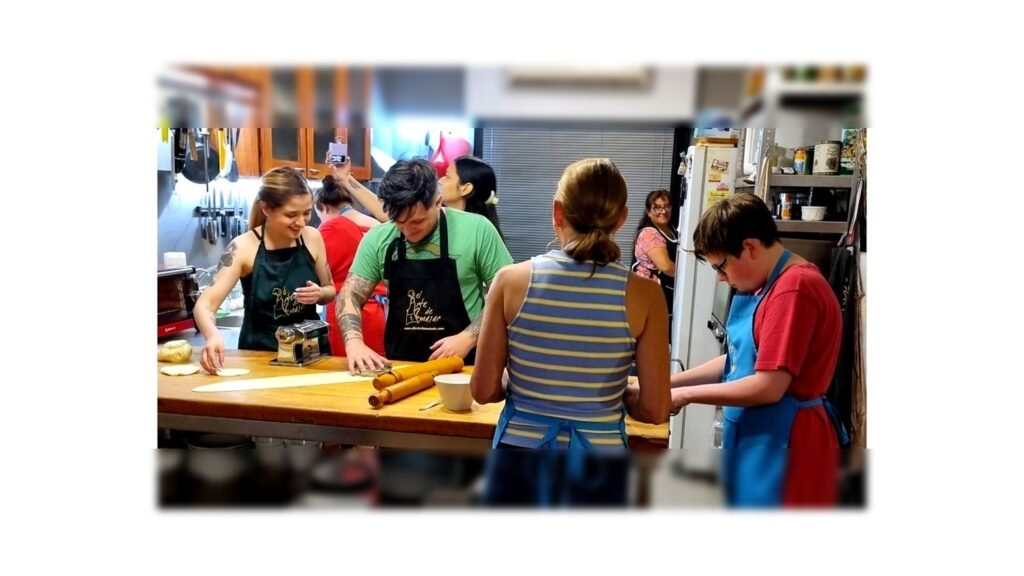
For first-time visitors, the best way to experience Buenos Aires food is to combine the classics — steak, empanadas, chimichurri, dulce de leche and Malbec — with at least one personal, hands-on experience. Restaurants and parrillas are essential, but a private cooking class in a real Buenos Aires home helps you understand the food culture behind the dishes.
Buenos Aires Food Guide for First-Time Visitors: What to Eat
Buenos Aires is known for simple, high-quality dishes built around excellent ingredients.
Some of the most iconic foods to try in Buenos Aires include:
• Argentine beef and steak, especially at traditional parrillas
• empanadas, one of Argentina’s most beloved dishes
• chimichurri, the classic herb sauce served with grilled meats
• fresh pasta, a strong part of the city’s Italian heritage
• provoleta, grilled cheese often served before asado
• dulce de leche desserts, from ice cream to alfajores
• Argentine wines, especially Malbec
These dishes are an essential part of the experience — but they are only the beginning.
Where to Try Argentine Food in Buenos Aires
While trying these dishes is essential, where you experience them makes a big difference.
In Buenos Aires, you can discover local food in different ways:
• traditional parrillas for classic Argentine steak
• small neighborhood restaurants with a more local feel
• markets and casual spots for everyday food culture
• hands-on experiences where you cook and share the meal
For first-time visitors, combining these different types of experiences offers a much more complete understanding of Buenos Aires food culture.
Eating Out vs. Experiencing Food
Most visitors start with restaurants — and that’s a great place to begin.
But many travelers quickly realize that the most memorable experiences go beyond simply sitting at a table.
In Buenos Aires, food is social. Meals are long, relaxed, and meant to be shared. Understanding this helps you experience the city in a much deeper and more meaningful way.
Cooking Classes in Buenos Aires: A Hands-On Food Experience
For first-time visitors, one of the best ways to truly understand Argentine cuisine is through a hands-on experience.
Instead of just tasting the food, you prepare it yourself, learn about local ingredients, and experience how meals are actually shared in Argentina.
👉A private Argentine cooking class in Buenos Aires is one of the most complete ways to experience this — combining cooking, dining, and cultural insight in a relaxed, authentic setting.
Explore the Private Argentine Cooking Class + Dinner
If you’d like to combine cooking with another Argentine tradition, you can also explore a cooking class with a tango lesson or a cooking class paired with a premium wine tasting.
For many travelers, this becomes one of the highlights of their trip.
Local Markets and Everyday Food Culture
Exploring local markets is another great way to understand Buenos Aires.
You’ll find:
• fresh ingredients
• bakeries and street food
• local specialties
• everyday products Argentines use at home
These places offer a more authentic perspective than restaurants alone.
Wine and Dining Culture
Argentina is also known for its wines, especially Malbec.
In Buenos Aires, wine is not just a drink — it’s part of the social experience. It accompanies meals, conversations, and shared moments around the table.
Tips for First-Time Visitors
If this is your first time in Buenos Aires, keep these tips in mind:
• Don’t rush meals — dining is meant to be slow and social
• Try local dishes, even simple ones
• Be open to experiences beyond restaurants
• Look for smaller, more personal experiences
If you’re ready to experience Argentine food beyond restaurants:
Explore the Private Argentine Cooking Class + Dinner
Planning your Buenos Aires food experience?
These guides can help you choose the right experience for your trip:
What is the best cooking class in Buenos Aires?
Is a cooking class in Buenos Aires worth it?
Best food experiences in Buenos Aires for American travelers
Final Thoughts
A Buenos Aires food guide for first-time visitors should start with the classics: steak, empanadas, chimichurri, dulce de leche, and Malbec.
But the most memorable food experiences in Buenos Aires often come from going beyond restaurants — cooking, sharing wine, and understanding how food connects with everyday Argentine culture.
Have questions or want to check available dates?
Check Availability on WhatsApp